
Why browser-extension wallets matter for DeFi security — and how Rabby fits in
Browsers are the new gateway to money. It’s easy to forget that a tiny extension can hold the keys to thousands of dollars. I keep telling friends that a browser wallet is less like a piggy bank and more like the front door to your house — lock it right, or you pay for it later. This piece walks through practical security habits for extension wallets, common attack patterns, and where Rabby sits among the options.
Quick note up front: browser extension wallets are convenient. They also change the threat model. Convenience means more attack surface: malicious sites, clipboard hijackers, phishing popups, compromised extensions. Some of these threats are technical. Some are human — impatience, distraction, or clicking “connect” without thinking. That’s where operational security makes all the difference.
Why browser-extension wallets are both powerful and risky
Browser wallets like Metamask, Rabby, and others made DeFi usable for millions. They inject a wallet provider directly into web pages, letting dapps prompt transactions and requests through a popup. The UX is slick, but the popup mechanism is also how phishing interfaces try to trick users. A malicious page can mimic a wallet UI, or induce permission fatigue so you approve something you didn’t mean to.
So what actually goes wrong most often? Two things: social engineering and sloppy key handling. Social engineering is about tricking you into signing or approving things. Sloppy key handling is when keys are stored or exported insecurely — or when you paste private keys into a web form because some guide told you to. Both are avoidable with a few habits.
Practical security checklist for browser-extension wallets
Here are concrete habits I use and recommend:
- Use a dedicated browser profile or separate browser for crypto activity — reduces cross-extension contamination.
- Pin and audit extensions: keep only the wallet you use, remove unknown extensions, and don’t accept random extension installs.
- Lock your wallet when not in use. Even if your device is compromised, a locked wallet raises the friction for attackers.
- Enable hardware wallet integration whenever possible — it shifts signing off the browser.
- Check transaction details carefully: recipient address, chain, and approvals. Approve minimal allowances and revoke excess permissions regularly.
- Use reliable sources for downloads and updates. Prefer official sites or well-known app stores.
- Consider a read-only wallet or watch-only address for portfolio viewing to reduce exposure.
I’m biased toward hardware-backed signing. It’s not perfect, but it dramatically reduces the risk from malicious sites and compromised browsers. Still, hardware wallets are slower and a bit clunky for frequent small trades — so a hybrid approach often works best.
Rabby Wallet: strengths, trade-offs, and best uses
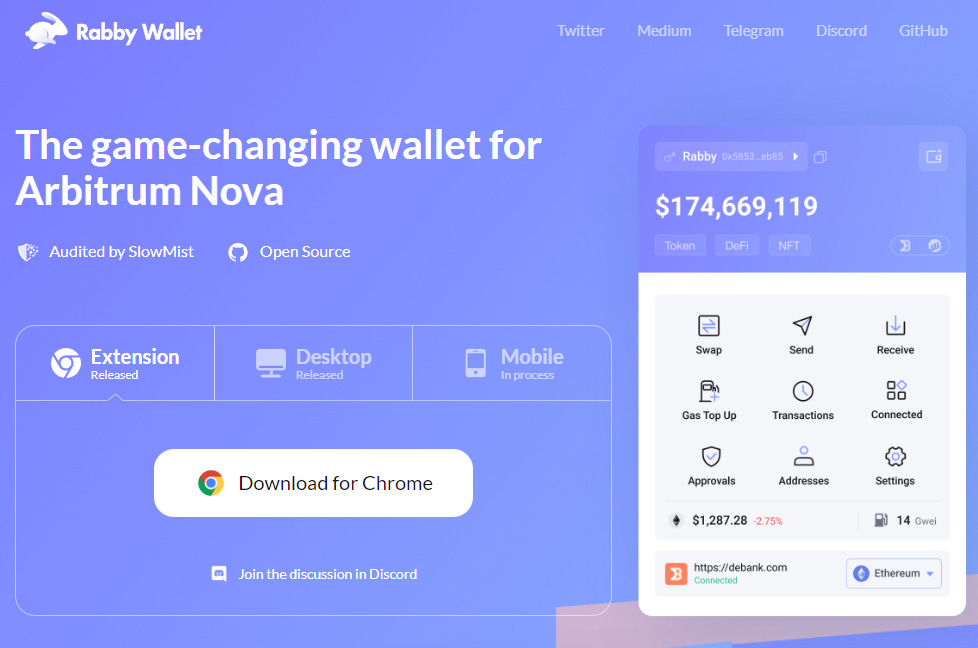
Rabby positions itself as a smart wallet for power users and trades — built specifically to address some extension wallet pain points. It’s got features like transaction simulation, permission management, and clearer UI cues around approvals. Those are small things, but they add up when you transact often.
For someone who swaps frequently across chains and interacts with many contracts, Rabby’s focus on permission visibility helps reduce accidental approvals. If you’re thinking about trying it, start with small amounts and test the flows. You can find the installer here for a straightforward setup: rabby wallet download.
Okay, so check this out — Rabby’s transaction simulation can show potential token transfers and side effects before you sign. That extra clarity is useful. It won’t stop every attack, though. If a dapp asks you to grant infinite approvals to some obscure contract, the simulation might reveal what’s happening, but you still need the judgment to deny it.
Real-world threats and how to respond
Here are some common scenarios and how I handle them:
- Phishing dapps: Confirm domain names and use bookmarks for important dapps. If something looks off, close the tab and visit the dapp via a known link.
- Clipboard/address replace malware: Always use ENS or verify the first/last few characters of an address; for big transfers, copy addresses into a signed message or use QR scanning with a second device.
- Malicious browser extension: Periodically audit installed extensions. If you find an unknown extension, remove it and change wallet passwords and seed phrases if needed.
- Over-granting token approvals: Use on-chain approval managers or features inside wallets (like Rabby’s permission tools) to set tight allowances and revoke as needed.
Something felt off about one of my early trades — the gas estimate seemed normal, but a hidden approval would have allowed a contract to drain tokens later. I caught it because I habitually check approvals. That habit saved me something — and it’s the kind of small practice that compounds.
Operational tips: daily, weekly, monthly
Small cadence helps. Make it routine:
- Daily: Lock wallet when idle; use a separate tab for trading; avoid random downloads.
- Weekly: Check active approvals; review recent transactions and unknown recurring allowances.
- Monthly: Audit extensions and browser profiles; update wallet and browser software; consider rotating keys for large holdings.
On one hand, these sound tedious. On the other hand, doing them a few minutes a week keeps you from having to deal with a major compromise later. Honestly, this part bugs me about the space — good security often feels like nagging routine, but those routines work.
FAQ — quick answers
Is a browser extension wallet safe for large amounts?
For large holdings, use a hardware wallet or cold storage. Browser extensions are fine for active trading and day-to-day DeFi interactions, but consider moving long-term savings to a hardware device or multisig for added protection.
How do I verify the real wallet extension?
Download only from official sources or verified browser stores, check the publisher, read reviews, and confirm the extension ID if the project publishes it. When in doubt, reach out via the project’s official channels.
Can Rabby replace a hardware wallet?
Rabby integrates with hardware wallets but doesn’t replace the security model of a dedicated hardware signer. Use Rabby for convenience and tooling, and pair it with a hardware wallet for signing high-value transactions.